
Coffee, Communication & Connection
Helping people communicate their vision, connect with other humans, and drink better coffee every day.

 Daniel NorrisOct 7, 2026
 Dialed Shots
Latest posts
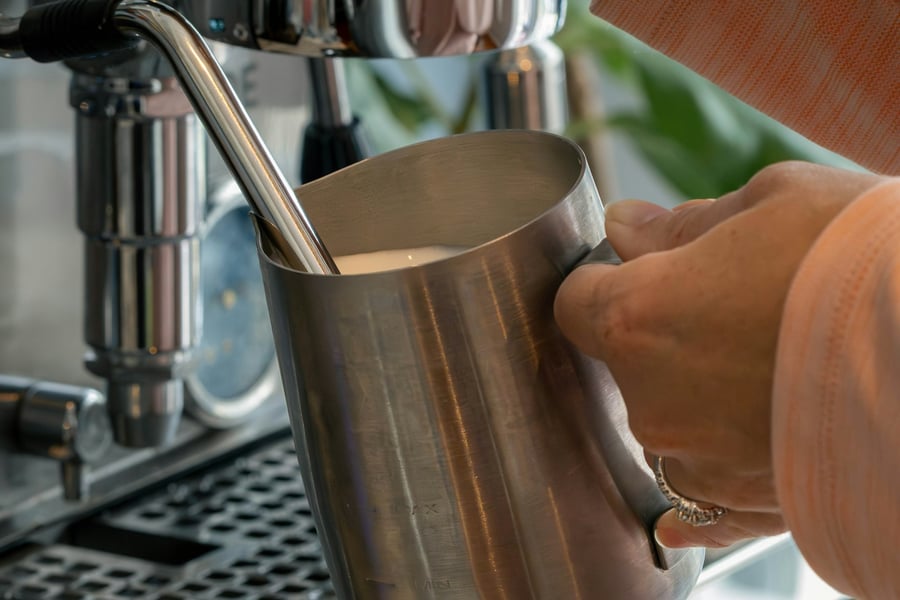
Coffee10 min read
Panarello Steam Wand: The First Thing to Change on a Cheap Espresso Machine
Oct 6, 2026
Coffee5 min read
Espresso Accessories Worth Buying on Prime Big Deal Days (2026)
Oct 5, 2026
Coffee5 min read
The Best Espresso Machine for Prime Big Deal Days (2026)
Oct 5, 2026
Coffee9 min read
How to Backflush and Descale a Gaggia Classic Pro
Oct 5, 2026
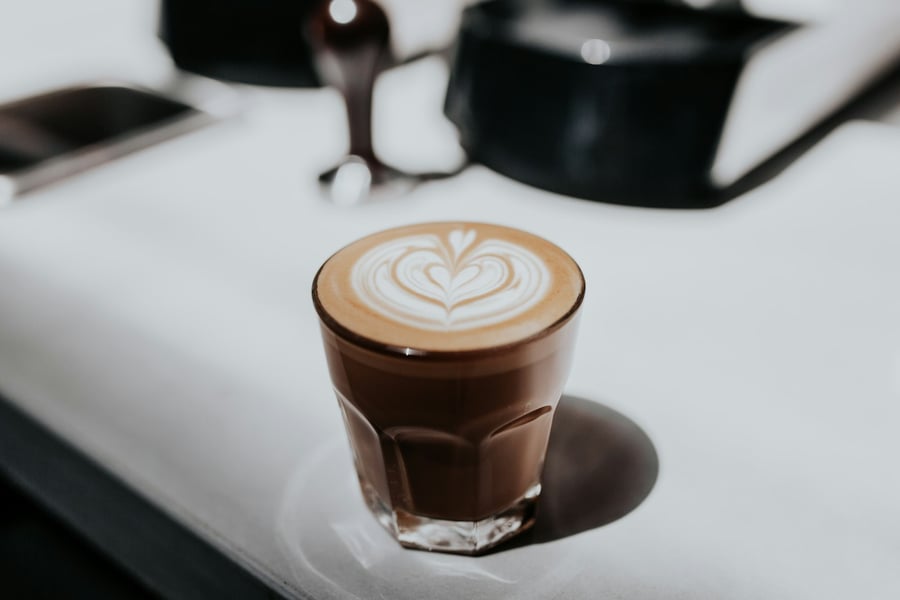
Coffee7 min read
Vanilla Latte at Home: Better Than the Drive-Through in 5 Minutes
Oct 4, 2026
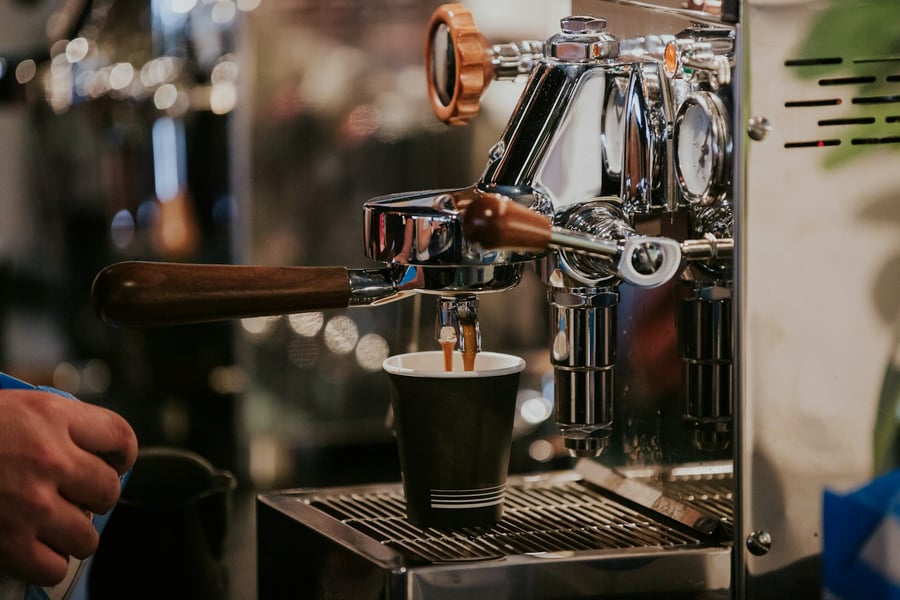
Coffee6 min read
Espresso vs Filter Coffee: Why I Choose Espresso
Oct 3, 2026
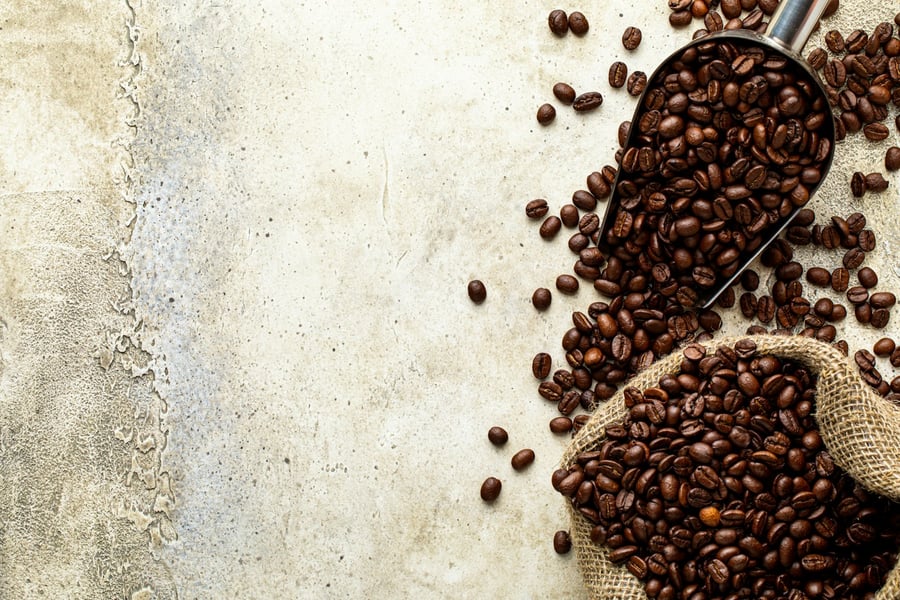
Coffee10 min read
Preserving Coffee: A Reluctant Snob's Guide to Keeping Beans Fresh
Oct 2, 2026
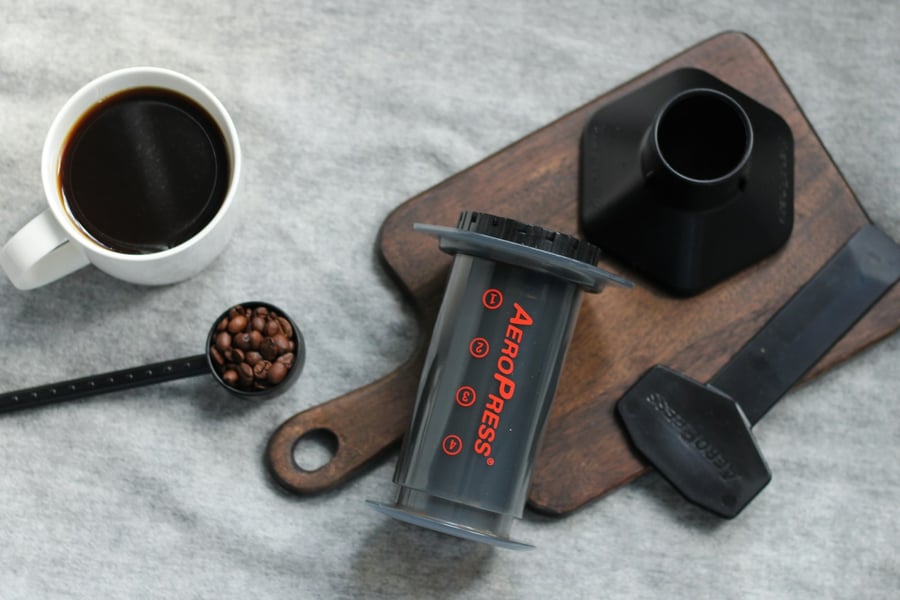
Coffee7 min read
Upside Down AeroPress Method: How To Brew It Without the Mess
Oct 1, 2026
Coffee7 min read
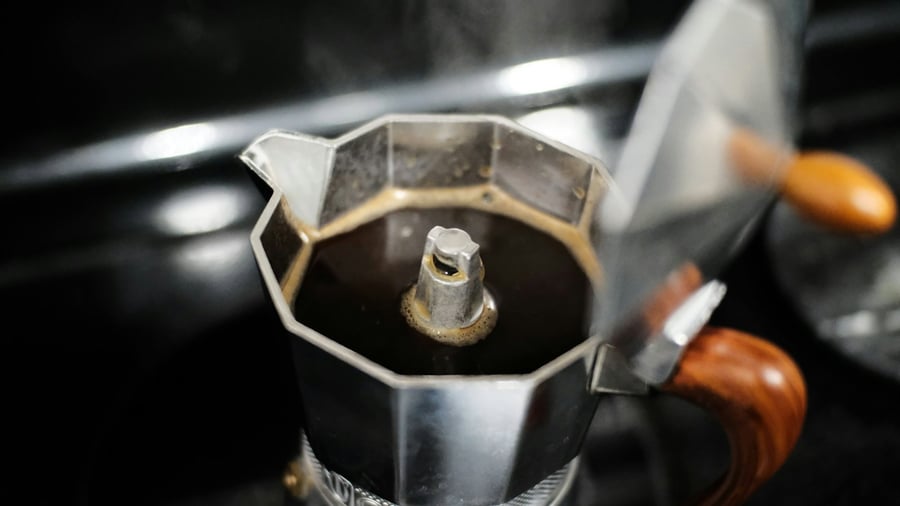
Coffee Percolator vs Moka Pot: Why I Pick the Moka Pot
Sep 30, 2026
Coffee6 min read
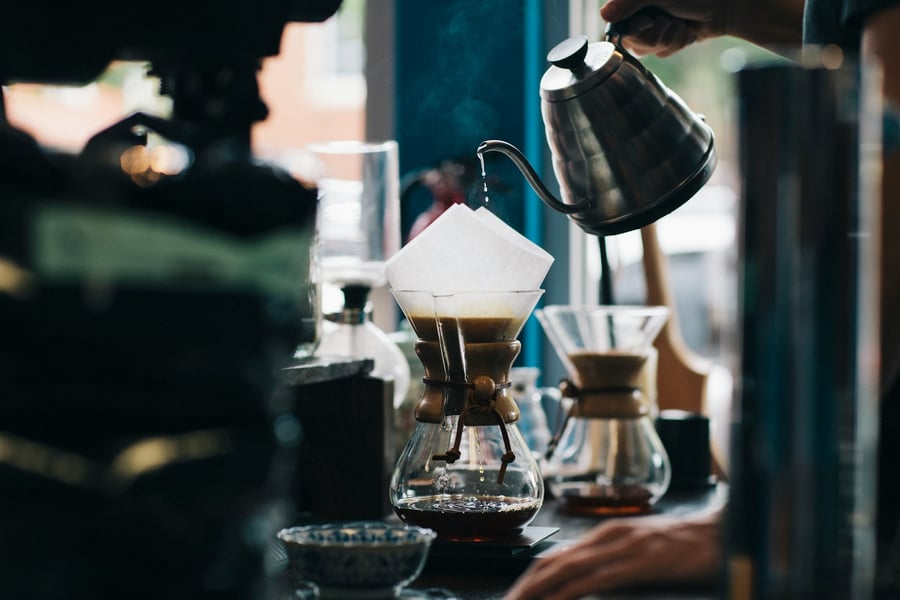
Drip Coffee vs Pour Over: What Most People Should Pick
Sep 29, 2026
Coffee6 min read
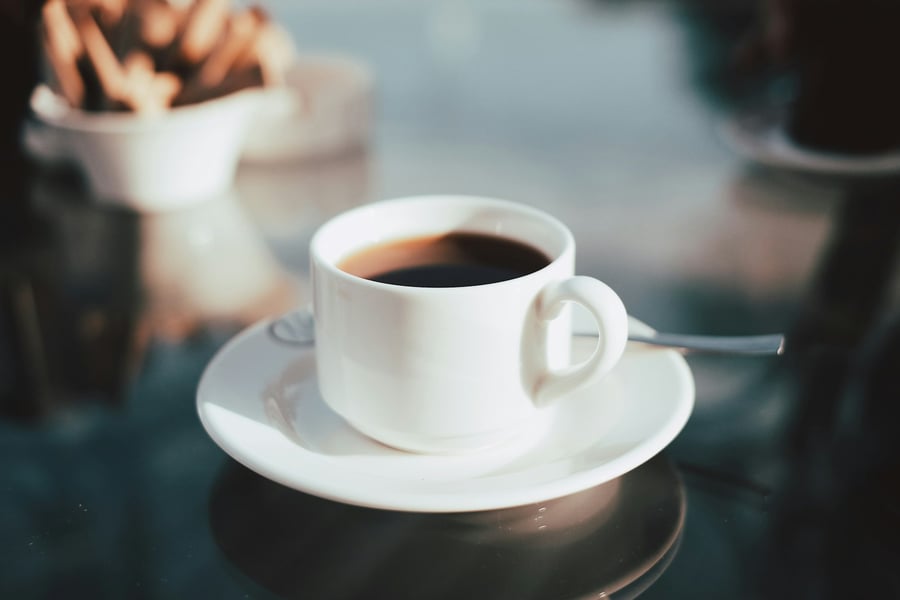
Long Black Coffee: How I Make My Daily Cup at Home
Sep 28, 2026

Coffee8 min read
Why The La Marzocco Linea Classic Espresso Machine is on my Bucket list
Sep 27, 2026